
Furlough Scheme extended to the end of March 2021
November 6, 2020 - Employment
As we entered into a second national lockdown, the government announced that the Coronavirus Job Retention Scheme (CJRS or furlough...
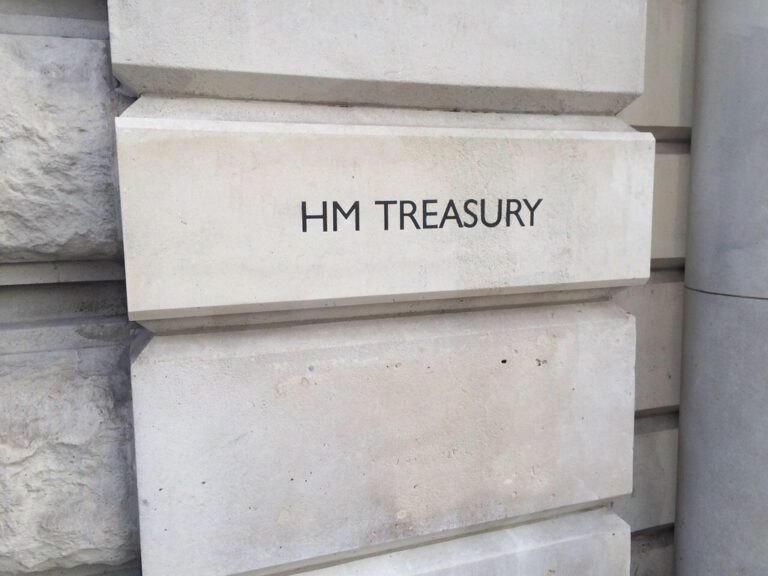
As we entered into a second national lockdown, the government announced that the Coronavirus Job Retention Scheme (CJRS or furlough scheme) would be extended for an additional month.
Less than 24 hours into lockdown the Chancellor, Rishi Sunak, has announced a further extension of the scheme until 31 March 2021.
Further guidance on the extended furlough scheme is due to be published on 10 November 2020, but here are the headline points so far.
- Up to 31 January 2021 employees will receive 80% of their usual salary for hours not worked, capped at £2,500 per month (gross).
- The employer will not have to contribute to the 80% pay for unworked hours, however, they will have to pay NIC and pension contributions.
- The government will review the scheme in January 2021 and employers may be required to contribute in February and March 2021.
- Employers do not need to have used the CJRS previously and employees that have not previously been furloughed, will be eligible to be furloughed under the extended CJRS.
- Employees must have been employed and on PAYE payroll on 30 October 2020 to be eligible to be furloughed.
- The scheme allows for flexible furlough, so an employee can work reduced hours and still claim furlough pay for hours not worked (subject to the cap of £2,500 per month or 80% pay, whichever is the lower of the two. The employer must meet the cost of any hours that the employee works.
- Employees can be furloughed where they are unable to work because they are shielding or have caring responsibilities due to coronavirus e.g. childcare.
The extended furlough scheme places on hold the Job Retention Bonus under which employers could claim £1,000 per employee brought back to work from Furlough and retained until the end January 2021. It also means that the less generous Job Support Scheme which was due to come into effect on 1 November 2020 has been put on hold for the time being.
Good news for employees that have been made redundant or dismissed before the furlough scheme was extended – those that were employed and on payroll on 23 September 2020 can be re-employed and placed on the furlough scheme (though there is no obligation on the employer to re-employ and place on furlough).
As before, any furlough arrangement with an employee must be recorded in a written agreement which must be retained for 5 years. This is because you may be asked to produce evidence of the furlough arrangement in due course. Due to the lateness in announcing this extension, agreements can be made retrospectively to start on 1 November 2020. However, retrospective agreements must meet the conditions set out in the government’s Policy Paper (Extension of the Coronavirus Job Retention Scheme) and in all cases, they must be put in place on or before 13 November 2020.
The Policy Paper (Extension of the Coronavirus Job Retention Scheme) also contains information regarding calculating an employee’s usual hours, pay for unworked hours and how an employer makes a claim for reimbursement under the extended furlough scheme.
Please note that the information and any commentary on the law contained in this bulletin is provided free of charge for information purposes only. Every reasonable effort is made to make the information and commentary accurate and up to date, but no responsibility for its accuracy or for any consequence of relying on it, is assumed by the author or publisher.
This bulletin does not, and is not intended to, amount to legal advice on a specific case or matter. You are strongly advised to obtain specific legal advice on your case or matter.
If you require employment law advice or have any queries about the issues raised in this article, please contact Lee Gabbie at Lee.gabbie@bracherrawlins.co.uk or phone on 020 7404 9400
Let’s start a conversation
If you’d like to have a chat about how we can assist you or your business, please give us a call on +44 (0)207 404 9400 or use our Contact Us form.